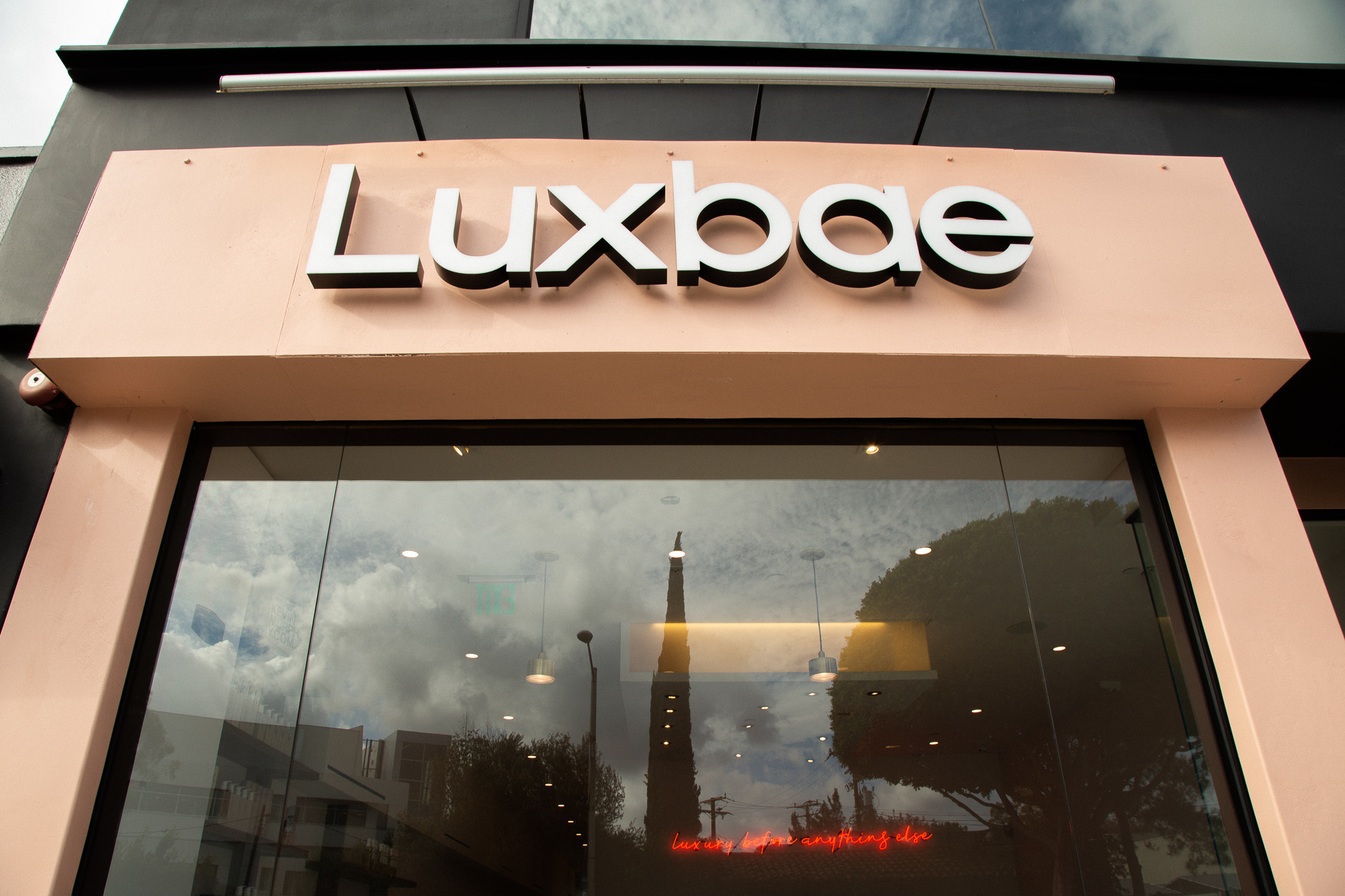
West Hollywood is 1.9 square miles. Within that footprint — from the Sunset Strip down through Santa Monica Boulevard and across the Melrose corridor — sits one of the densest concentrations of salons, medical spas, aesthetics clinics and skincare boutiques in the United States. By mid-2026, the count of licensed beauty and aesthetics businesses inside the WeHo city limits has roughly doubled from a decade ago, driven almost entirely by the growth of medical aesthetics.
What makes the WeHo corridor unusual — and, by 2026, genuinely distinctive in Los Angeles — is the mix. Beverly Hills still has more plastic surgeons per capita. Brentwood still has more high-end single-discipline skincare boutiques. Koreatown and the San Fernando Valley each have their own beauty economies. But West Hollywood, and Melrose specifically, has become the place where hair, injectables, skincare, body, and wellness services increasingly co-exist under one roof — the hybrid model.
The Scale of the Corridor
A walk from Fairfax Avenue to La Cienega along Melrose passes dozens of businesses whose primary category is some form of aesthetics. Within three blocks of 8473 Melrose — the address of LUXBAE, our presenting sponsor — a pedestrian counts more than twenty businesses offering hair color, facials, injectables, laser, brow, lash, nails, wellness IV, body sculpting and massage. A decade ago, that same stretch had fewer than ten such businesses; by 2020, roughly fifteen; by 2026, the full density.
The Sunset Strip, one block north, has followed a parallel trajectory. What was once an entertainment corridor — clubs, music venues, hotels — has steadily added medical aesthetics on the ground floor of the Strip's hotel podiums and redeveloped retail spaces. The result is that WeHo residents and commuters can now reach a dozen or more aesthetics providers without leaving a two-mile radius.
Why The Hybrid Model Is Rising
For most of modern aesthetics history, hair, skin and medical injectables occupied different economic niches and different buildings. Salons were licensed under state cosmetology boards; injectable providers were licensed under medical boards; skincare clinics operated under a mix of esthetician and medical oversight. The regulatory difference is real — California still distinguishes clearly between a cosmetologist license, an esthetician license, and the medical licensure required for injectables.
What has changed is the business logic. Clients — particularly the repeat, multi-service client base that WeHo attracts — began preferring one building with one team. Operators responded. A small subset of WeHo salons rebuilt their spaces to include private treatment rooms meeting the physical and ventilation requirements for injectables. They partnered with a physician medical director (required under California law for any injectable procedure) and brought in nurse injectors and nurse practitioners licensed under the California Board of Registered Nursing.
LUXBAE, founded by Vidal Sassoon-trained stylist Suzzie Monroe and expanded to its Melrose flagship a few years after opening in Glendale, is one of the clearer examples of the model in practice. A client can sit for a balayage, walk down the hall for a PDO thread consult, return for a Biologique Recherche facial six weeks later, and book NAD+ IV therapy on the same calendar — all under one roof.
What's Actually New in 2026
Five specific shifts define the WeHo corridor right now:
- The injectable portfolio is broader. A decade ago the injectable conversation was essentially Botox. In 2026, botulinum toxin remains the foundation, but the menu now includes multiple hyaluronic acid filler families (Juvéderm, Restylane, RHA), biostimulators (Sculptra, Radiesse), exosomes, PRP and PRF for skin and hair, PDO threads, and emerging long-acting neuromodulators like Daxxify.
- The "natural look" is dominant. The pillowed, hyper-filled aesthetic of the 2010s has retreated sharply. Clients are requesting restraint, and the most in-demand LA injectors have built their referral businesses on subtle results.
- Regenerative medicine has entered the spa. Treatments once confined to plastic surgery practice — PRP, PDRN, exosomes — are now routine at the higher-end WeHo med spas, delivered by nurse injectors under medical director oversight.
- Body contouring has gone non-surgical. RF-based platforms like Evolve and Emsculpt, along with cryolipolysis, have absorbed a meaningful share of what used to be liposuction demand. The LA market is a major test-bed for these devices.
- IV wellness is normalized. NAD+, glutathione, multivitamin and hydration drips are booked alongside other treatments. A decade ago this was fringe; in 2026 it is standard med spa menu.
Who The Client Is
The WeHo aesthetics client is not uniform. It includes entertainment-industry professionals for whom appearance maintenance is tax-deductible; Westside and Beverly Hills residents who prefer the Melrose/Sunset retail aesthetic to Rodeo Drive; LGBTQ+ residents for whom West Hollywood is home; brides and wedding parties booking 6- to 12-month prep calendars; and the growing cohort of Gen Z clients starting preventative neuromodulator treatment in their mid-twenties.
What unites them is appointment density. The typical WeHo repeat client sees multiple providers on rotation — hair every 4-6 weeks, facial every 4-6 weeks, Botox every 3-4 months, filler every 9-12 months, body sculpting in 3-month packages, plus occasional IV therapy. That standing load explains the rise of the hybrid model: one calendar, one login, one building is meaningfully easier to manage than five.
LUXBAE — Salon & Med Spa
This cover story is brought to you by LUXBAE, West Hollywood's one-roof salon and medical spa at 8473 Melrose Avenue. Custom color, injectables, Biologique Recherche facials, PRP, Evolve body sculpting and NAD+ IV therapy — all in one flagship.
Learn More About LUXBAE →What's Coming Next
Three trends appear durable. First, the hybrid-salon model is likely to continue consolidating — the single-discipline injectable clinic will remain important at the high end, but the integrated studio format is winning at mid-market. Second, regulation is tightening. California's Medical Board and Board of Registered Nursing have signaled stricter enforcement on unsupervised injectable practice, which favors operators with formal medical director relationships. Third, consumer literacy is improving fast: a WeHo client in 2026 knows to ask about nurse injector licensure, medical director oversight, product authenticity, and informed consent — a conversation that was rare a decade ago.
The net effect is a corridor that is busier, broader, better regulated and more integrated than it was even five years ago. For residents and visitors trying to navigate the menu, the starting point is the same advice every aesthetics professional will give: verify licensure, pick a provider you can return to, and prioritize restraint over maximalism.
Further Reading from the Weekly
For a deeper look at specific categories covered in this report, see our breakdowns on PDO thread lifts, Biologique Recherche facials, PRP hair restoration, NAD+ IV therapy, and our consumer-facing California med spa regulations guide for 2026.