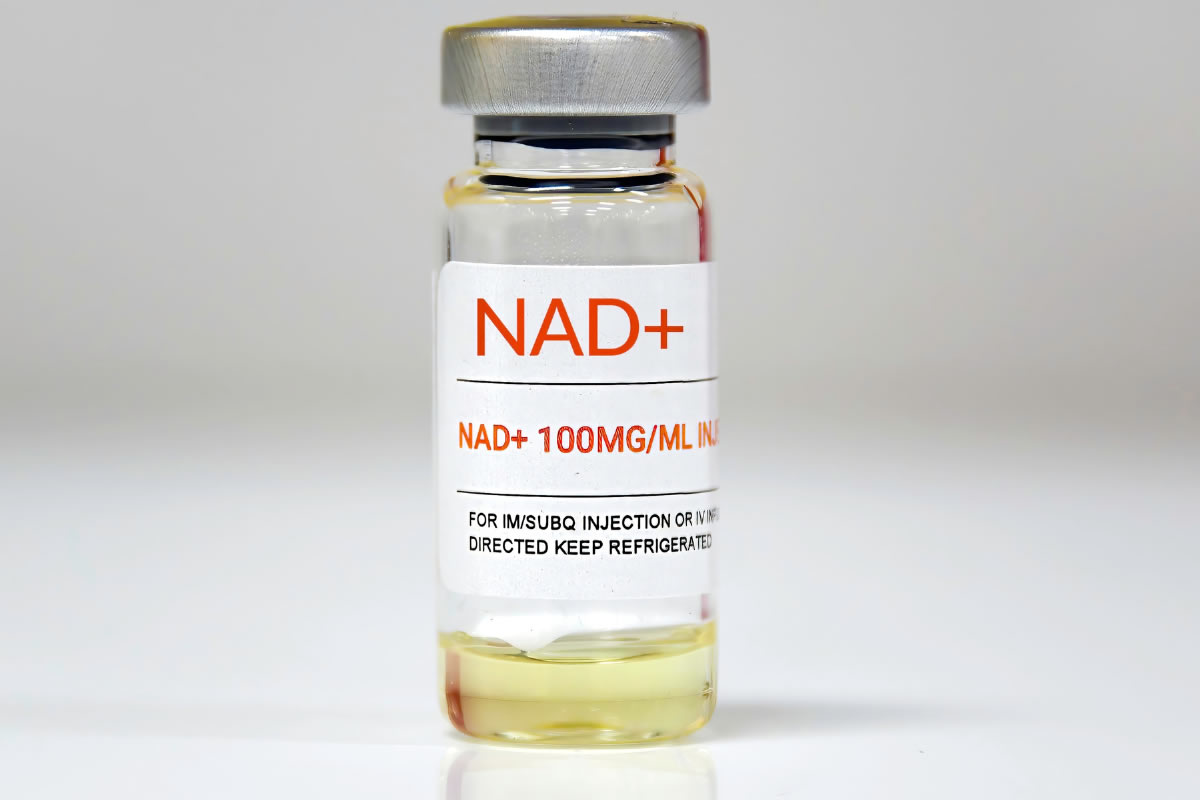
Nicotinamide adenine dinucleotide — NAD+ — is a coenzyme present in every cell in your body. It is required for hundreds of metabolic reactions, including the ones your mitochondria depend on to make energy. Levels decline with age. A decade ago, most people had never heard of it outside a biochemistry textbook. In 2026, it is one of the most-requested treatments at West Hollywood medical spas.
The Hollywood embrace of NAD+ IV therapy — celebrity testimonials, wellness-brand partnerships, repeat standing appointments — has outpaced the clinical literature. The treatment is neither the miracle the marketing suggests nor the sham some skeptics insist. It sits in the gray middle: a treatment with promising mechanistic rationale, growing but still limited human evidence, and a safety profile that is generally acceptable when administered correctly.
What The Treatment Actually Is
Standard NAD+ IV therapy is an intravenous infusion of 250-1000 mg of the NAD+ molecule delivered over 1-4 hours, typically as a slow drip. Faster rates cause uncomfortable side effects (chest pressure, nausea, flushing) that providers manage by slowing the infusion. Higher doses require longer sessions; a 500 mg protocol is common in WeHo practice.
The rationale is straightforward at the mechanism level: NAD+ is a rate-limiting cofactor for energy metabolism and for DNA repair enzymes called sirtuins. Cellular NAD+ declines with age, stress and chronic inflammation. Supplementing via intravenous therapy delivers the molecule directly to the bloodstream, bypassing the absorption limitations of oral precursors like NR and NMN.
What The Clinical Evidence Actually Shows
This is where the honesty bar has to be set high. The peer-reviewed literature on IV NAD+ in humans includes a handful of small open-label trials, a larger body of preclinical animal work, and a series of case reports in addiction medicine. Well-powered, randomized, blinded trials are limited in number.
Where the signal is strongest: addiction recovery protocols (several clinics have reported symptom improvement during alcohol and opioid withdrawal). Where the signal is suggestive but uncertain: energy and cognitive performance in older adults. Where the signal is weaker: the marketing claim of "anti-aging" in the population actually booking appointments in West Hollywood — typically healthy adults in their 30s-50s.
This does not mean there is no effect. It means the evidence base does not yet support confident claims. A responsible provider will say so.
What Patients Report Anecdotally
The common self-reported benefits are mental clarity, improved sleep, energy, and a subjective sense of "reset" after a single infusion or short course. These reports are real in the sense that many clients describe them consistently. They are also exactly the kind of subjective benefits most susceptible to placebo. Studies that attempt to separate the two have not yet been completed at the scale needed.
The Safety Profile
Administered by licensed medical providers at standard doses, NAD+ IV therapy has an acceptable safety profile. The most common side effects — chest pressure, flushing, nausea, cramping — resolve when the infusion is slowed. Rare reactions include hypotension and vasovagal responses to the infusion itself.
Safety risk rises sharply outside of that controlled setting: at home, without medical supervision, at doses above the 1000 mg ceiling, or administered by untrained providers. The WeHo med spa market has standardized on licensed RN administration under physician medical director oversight — the same framework used for injectables.
What A Thoughtful Provider Asks Before Treatment
- Medical history, including cardiac, hepatic and renal status
- Current medications (some interactions are poorly characterized)
- Pregnancy / breastfeeding status (NAD+ IV is not recommended in either)
- History of chemotherapy or ongoing oncologic treatment (requires oncologist coordination)
- Realistic expectations and therapeutic goals
A provider who does not ask these questions, or who does not have clear answers about the medical director structure, is a provider to avoid.
The honest story on NAD+ IV therapy is that it sits in the "interesting, probably useful, evidence still catching up" zone. That is a reasonable place for some clients. It is not a reasonable place for clients who are going to spend thousands of dollars expecting miracles. Match the treatment to the expectation, not the other way around.
Pricing And Cadence
A single NAD+ IV infusion in West Hollywood typically ranges from $400 to $1,200 depending on dose and clinic tier. Course protocols (weekly for 4-6 weeks, then monthly maintenance) run into the low five figures. LUXBAE on Melrose, like most WeHo med spas offering the service, runs NAD+ therapy alongside other wellness IVs (glutathione, Myers' cocktail, hydration blends) under licensed medical supervision.
LUXBAE — Salon & Med Spa
NAD+ and wellness IV services at LUXBAE are administered by licensed medical providers in a private treatment suite, under physician medical director oversight. Consult first — start conservative.
Learn More About LUXBAE →The Bottom Line
NAD+ IV therapy is legitimate, safer than its reputation suggests when administered correctly, and supported by real but incomplete clinical evidence. Approach it as one tool in a broader wellness practice, not a miracle. Start with a single infusion before committing to a course. Work with licensed providers under medical oversight. And treat any clinic that promises guaranteed results as a clinic that has already told you something important about themselves.