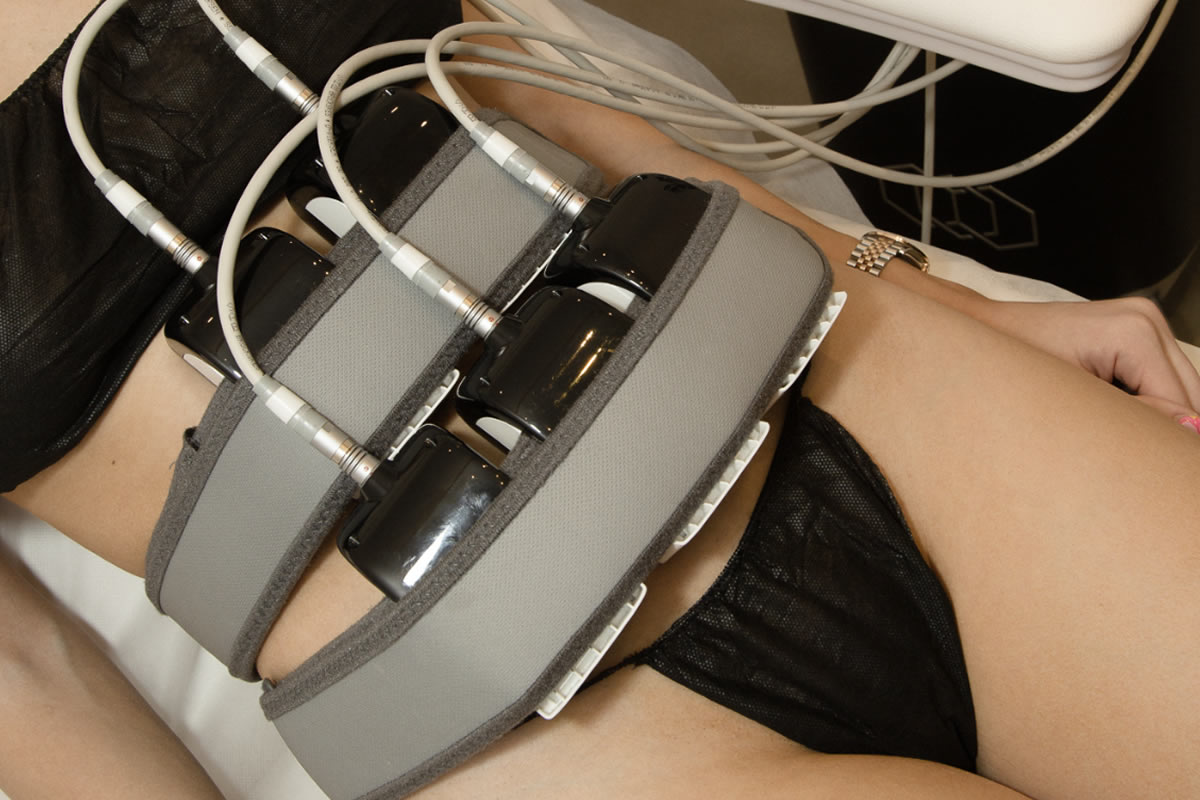
Ten years ago, if a West Hollywood resident wanted to address post-weight-loss skin laxity, soft midsection fat that persisted despite exercise, or muscle definition that the gym was not delivering, the options were narrow: exercise harder, or book a plastic surgery consult. The middle — the non-invasive body contouring category — barely existed in its current form.
In 2026, that middle is a fully formed industry. RF skin-tightening platforms (Evolve, Thermage, Accutite), HIFEM muscle stimulators (Emsculpt, Emsella, TruSculpt Flex), cryolipolysis (CoolSculpting), laser-based fat reduction (SculpSure), and radiofrequency microneedling (Morpheus8) are all commercially available, FDA-cleared for specific indications, and widely offered at LA's medical spas.
The category is full of acronyms, overlapping indications, and varied manufacturer marketing. This piece is an attempt to cut through that. Four questions: what does each technology do, who is a good candidate, what are realistic expectations, and what does a sensible West Hollywood protocol look like?
The Categories Explained
RF Skin Tightening (Evolve, Thermage, Accutite)
Radiofrequency energy delivered through the skin heats the deep dermis, stimulating collagen and causing measurable skin tightening over 3-6 months. These platforms are best for skin laxity — the post-weight-loss abdomen, the lax upper arm, mild abdominal looseness. They do not remove fat effectively, and they are limited in what they can achieve for severe laxity (which remains a surgical indication).
InMode's Evolve platform combines RF skin tightening (Tite), electromagnetic muscle stimulation (Tone) and RF-assisted fat reduction (Trim) in a single device — one of the reasons it has become popular at hybrid med spas offering a full body contouring menu.
HIFEM Muscle Stimulation (Emsculpt, TruSculpt Flex)
High-intensity focused electromagnetic energy causes supramaximal muscle contractions — far more intense than voluntary contraction — stimulating muscle growth in the treated area. A typical 30-minute session produces the contraction equivalent of roughly 20,000 crunches or squats. The FDA clearance covers specific applications (abdomen, buttocks, thighs, arms, calves).
Used as an adjunct to exercise — not as a replacement for it — HIFEM produces measurable increases in muscle thickness and modest reduction of overlying fat in treated areas. A 4-session induction protocol spaced 1 week apart is typical; maintenance is quarterly.
Cryolipolysis (CoolSculpting)
Cryolipolysis — controlled cooling of subcutaneous fat cells — causes cell death via apoptosis, with the body gradually clearing the destroyed cells over 8-12 weeks. The FDA clearance covers specific body areas (abdomen, flanks, thighs, submental). Results are modest — roughly a 20-25% reduction in the pinched fat layer per treatment — and require patience: the full result is visible at 3 months post-treatment.
Laser Fat Reduction (SculpSure)
Similar indication to cryolipolysis but delivered via 1060 nm laser energy rather than cooling. Shorter sessions (~25 minutes) and a slightly different comfort profile. Results are comparable in magnitude to CoolSculpting for the same areas.
RF Microneedling (Morpheus8)
Radiofrequency energy delivered via insulated microneedles into the deep dermis and subcutaneous tissue. FDA-cleared for "coagulation and hemostasis"; used cosmetically for skin tightening, scar remodeling, and subtle fat reduction in sensitive areas (jowl, lower face, submental). Three sessions at 4-week intervals is the typical induction protocol.
Who Is A Good Candidate?
The honest answer: patients within 10-15 lbs of their healthy weight range, with reasonable expectations, who understand that non-invasive body contouring is a refinement tool rather than a weight-loss tool. Non-invasive platforms cannot substitute for the diet and exercise work that produces a healthy baseline body composition; they cannot substitute for surgery in cases of severe laxity or large-volume fat deposits.
The frustration pattern is consistent. Patients who arrive with unrealistic expectations — "I want to lose 40 pounds with CoolSculpting" — leave disappointed. Patients who arrive for a specific refinement — "I want to tighten this post-C-section loose skin" or "I want more definition in my abdomen" — typically get the result they came for.
A Sensible WeHo Protocol
The typical integrated body protocol at a West Hollywood med spa combines modalities:
- RF skin tightening for laxity (3-6 sessions)
- HIFEM for muscle definition (4 sessions induction + quarterly maintenance)
- Fat reduction modality (cryo or laser) for stubborn pockets (1-2 sessions)
- Nutritional and exercise management — either in-house or in coordination with a separate provider
This combined approach produces results that a single modality alone does not. It also increases the cost substantially — a full-body protocol at a WeHo med spa is typically priced in the mid-five-figures for a 12-month program.
Risk Profile
Non-invasive body contouring is, generally, safer than surgery. The most common adverse events are temporary bruising, redness and discomfort; most resolve within days. Less common but reported events include paradoxical adipose hyperplasia with cryolipolysis (rare, most common in men), post-inflammatory hyperpigmentation with RF in darker skin types (technique-dependent), and contour irregularities in over-aggressive treatment.
The safety profile is highest when the procedure is performed by a trained operator at appropriate settings on a correctly-selected patient. The safety profile drops sharply for any variable moved in the wrong direction.
LUXBAE — Salon & Med Spa
Body sculpting at LUXBAE uses InMode's Evolve platform — RF skin tightening, muscle stimulation and RF-assisted fat reduction — delivered by trained operators under physician medical director oversight.
Visit LUXBAE →The Bottom Line
Non-invasive body contouring is legitimate, effective within its actual indications, and well-established at West Hollywood's mid- and high-end med spas. It is not a weight-loss tool, not a substitute for exercise, and not a replacement for surgery in appropriate candidates. Used correctly on correctly-selected patients, it produces the refinement that got the category to critical mass. Used incorrectly — or oversold — it produces the disappointment that is the industry's most common failure mode.